HYROX Wall Balls: Technique, Pacing and How to Survive the Last Station
Short Answer
Wall balls decide more HYROX finish times than any other station because they come last — 75–100 reps after eight runs. Survive them by squatting to consistent depth, driving the ball with your legs (not arms), breathing on a fixed rhythm, and breaking the set up before failure, never after.
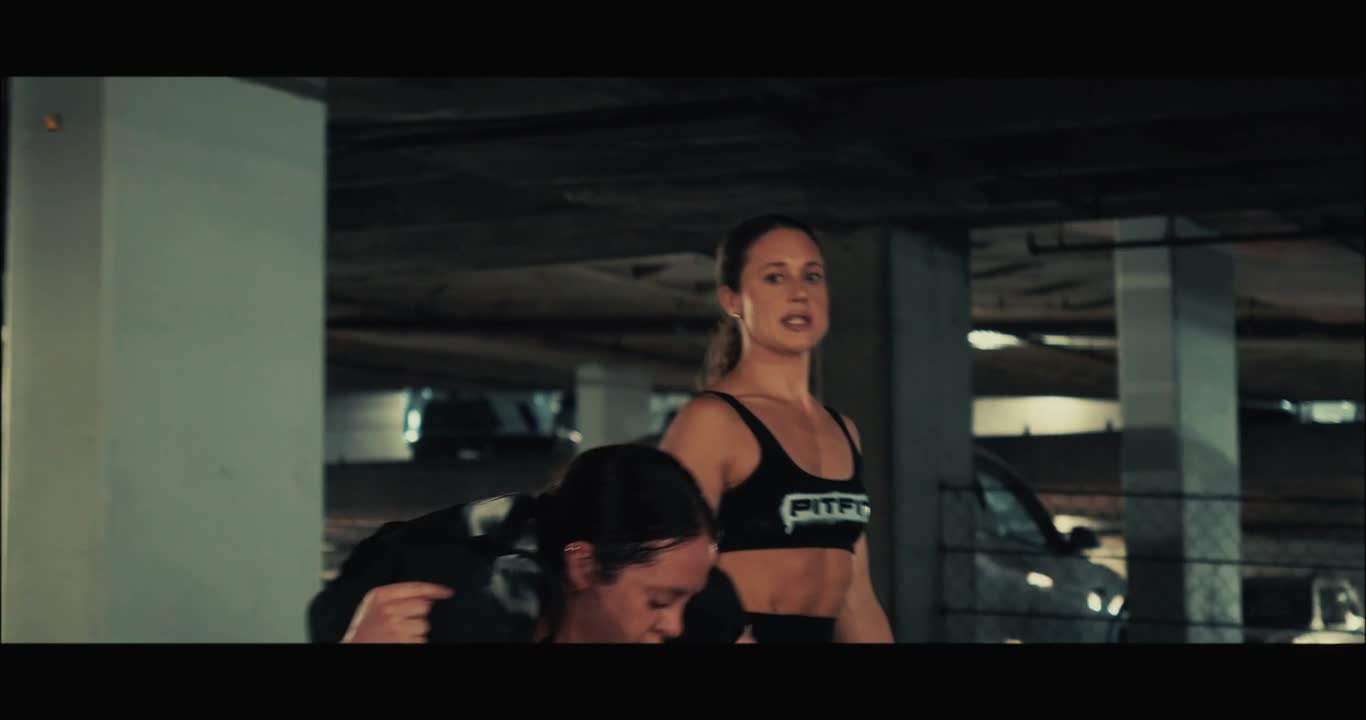
Every HYROX race ends the same way: you come off the eighth run, pick up a medicine ball, and stand in front of a wall with 75–100 reps between you and the finish line. Nothing about the movement is complicated. Everything about the moment is. This is how we coach the station inside our HYROX classes in Dallas so race day feels like a rep, not a reckoning.
Why do wall balls decide your HYROX time?
Three reasons. They're last, so every pacing mistake from the previous 75+ minutes gets invoiced here. They're high-rep, so small technique leaks compound — an inch of missed depth or a short throw means no-reps when you can least afford them. And they're rhythmic: the athletes who treat wall balls as a breathing exercise pass the athletes who treat them as a fight.
What does good wall-ball technique look like?
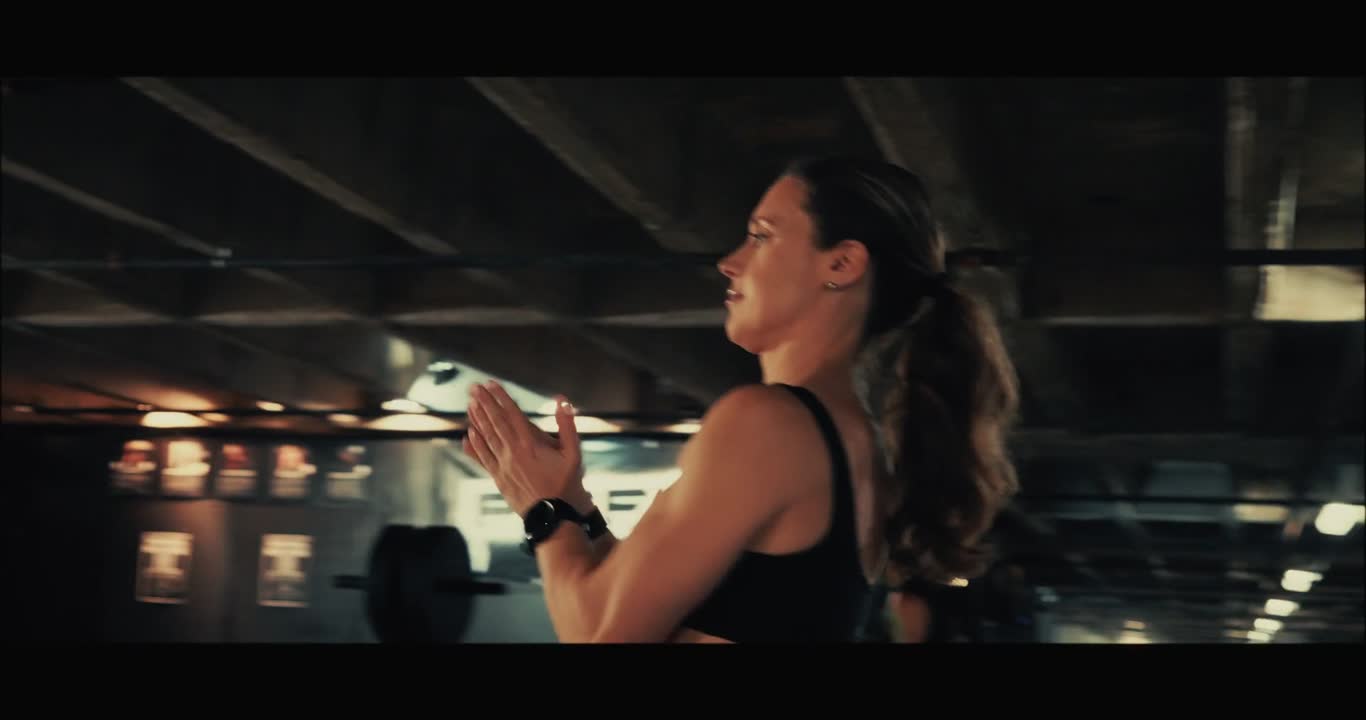
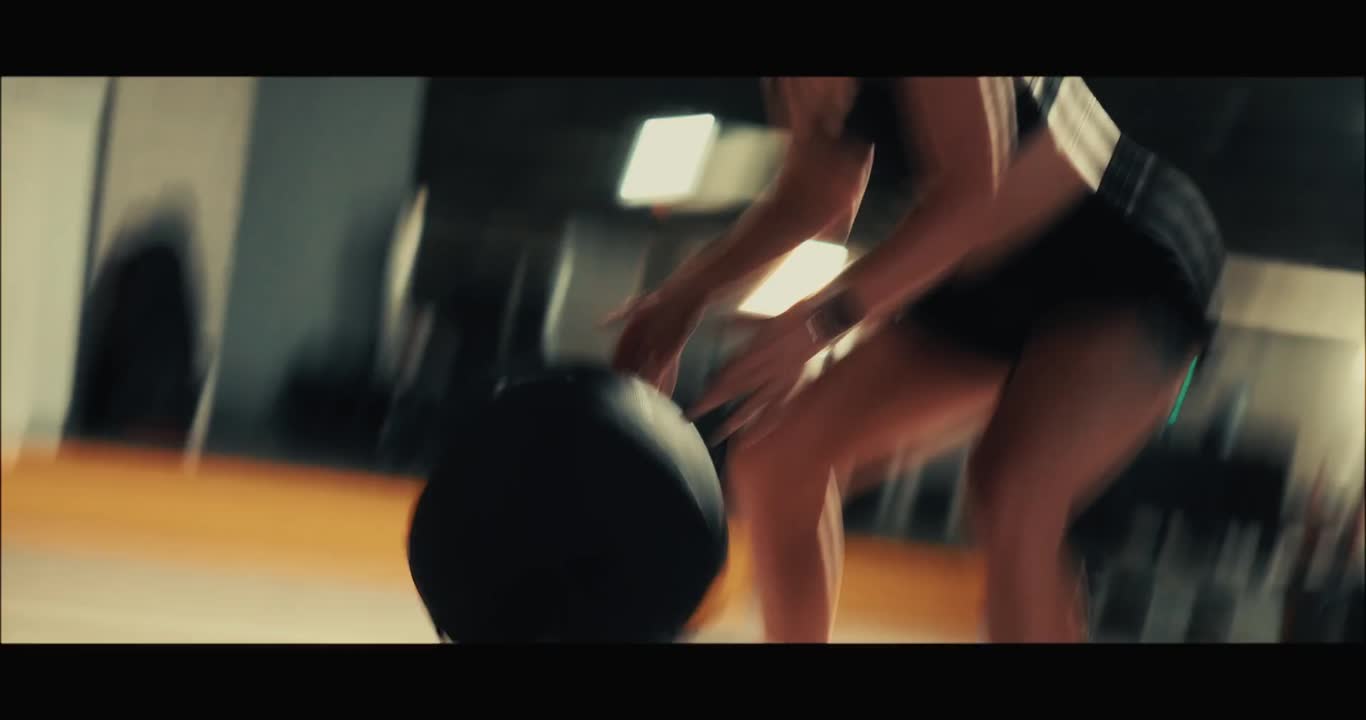
Set your feet where you squat strongest — usually just outside shoulder width — close enough to the wall that the ball travels straight up, not forward. Squat to full, consistent depth every rep; judges and sensors don't give style points for the first fifty if the last ten are shallow. Drive the ball with leg extension and let the arms finish the path. Catch the ball high and ride it straight into the next squat — every pause at the top is a rep you pay for twice. And breathe on rhythm: exhale on the throw, inhale on the catch, every single rep.
How should you break up 100 wall balls?
Going unbroken sounds heroic and costs most athletes minutes. The rule our coaches repeat: break before failure, never after. Failure means dropped balls, long resets and a heart rate you can't recover. Planned breaks mean ten seconds, ball on the floor, two breaths, go again.
Break-up strategy by goal
| Your goal | Set structure | Rest between sets |
|---|---|---|
| Just finish strong | 10 sets of 10 | 10–15 seconds, fixed |
| Steady intermediate | 5 sets of 20 | 10 seconds, fixed |
| Pushing a time goal | 30–25–25–20 | Under 10 seconds |
| Advanced / racing the clock | 50 + 30 + 20 | As short as breathing allows |
Key Takeaways
- Depth and rhythm beat speed — no-reps are the most expensive mistake on the floor.
- Legs throw the ball; arms only steer it. If your shoulders burn first, your squat drive is leaking.
- Decide your break-up plan before the race and hold it — don't negotiate at rep 60.
- Train big unbroken sets early in a prep cycle so race-day broken sets feel easy.
What are the biggest wall-ball mistakes?
Standing too far from the wall, which turns every throw into a forward push and every catch into a lunge. Chasing the first twenty reps too fast and paying interest on all eighty that follow. Holding the ball at the chest during rest — put it on the floor and let your arms live. And arriving at the station having never done more than sets of ten in training: volume tolerance is built in class, weeks out, not discovered mid-race. It's exactly why wall balls close so many of our HYROX class sessions — always on tired legs, always on the clock.
FAQ
The final station is 100 reps in most men's divisions and 75 in most women's divisions, with target heights and ball weights varying by division. It is always the last station, after the eighth 1 km run.
Primarily quads and glutes through the squat, with shoulders and triceps finishing the throw and your core bracing every catch. Under fatigue it becomes a full-body rhythm and breathing exercise as much as a strength one.
Early in a training cycle, yes — build toward big unbroken sets to raise your ceiling. In the final weeks, rehearse your actual race break-up plan instead, at race pace, on tired legs.
PITFIT runs coached HYROX classes six days a week at Travis Walk in Uptown Dallas, and wall balls appear across the weekly rotation. Your first class is $15 — no membership required.
One station, one ball, one wall — and the difference between a finish photo you love and one you tolerate. Learn it under a coach's eye: book a HYROX class and take on the last station first.
Put it into practice.
Your first PITFIT class is $15 — the fastest way to feel what you just read.