HYROX Sled Push & Sled Pull Technique: Cues That Save Your Race
Short Answer
The HYROX sled push rewards a low body angle, stiff arms and short driving steps; the sled pull rewards a braced hinge and using your bodyweight, not your biceps. Train both heavier than race weight, because event carpet is slower than any gym floor — and pace them, because the sleds set up the entire back half of your race.
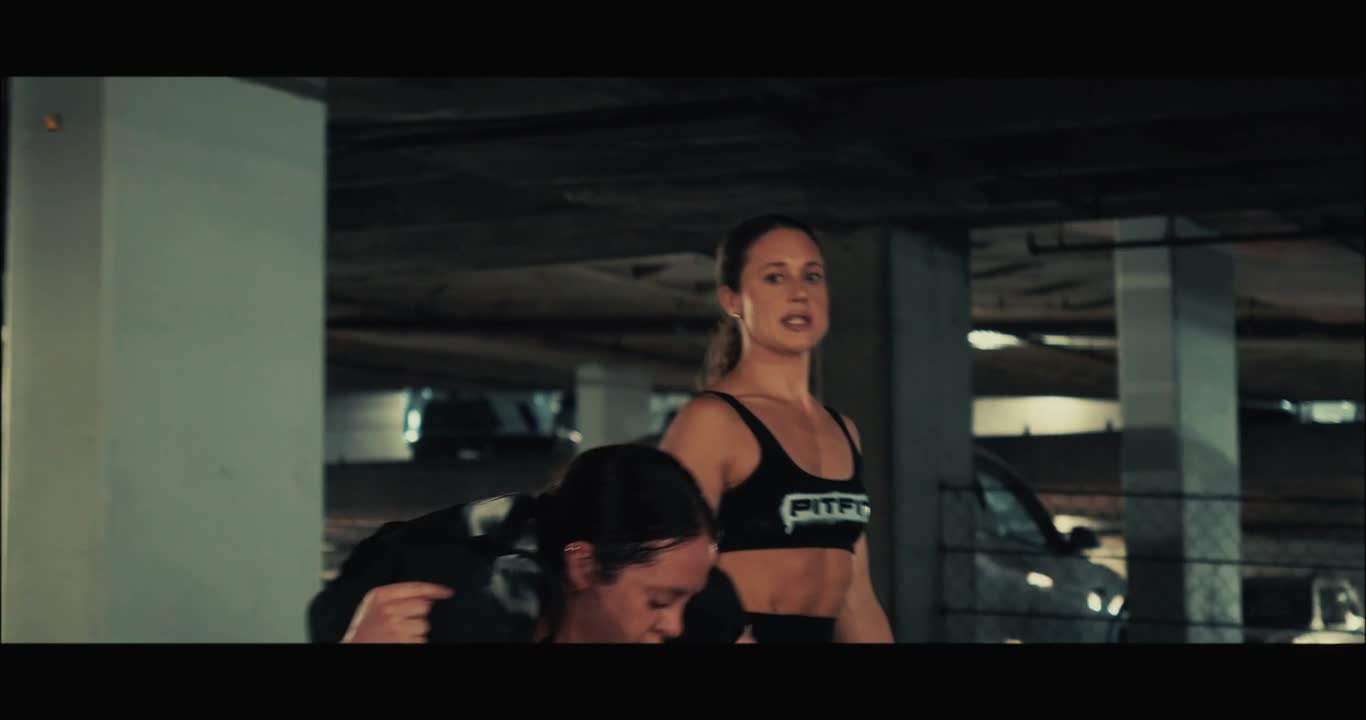
Ask anyone who has raced: the sleds are where HYROX gets honest. They arrive early — stations two and three — and they don't care about your 5K time. Fifty meters of push, fifty meters of pull, and legs that have to run a kilometer immediately after. Here's the technique we drill in HYROX Lower Body Strength & Endurance every Tuesday, and why the garage floor at Travis Walk is the perfect place to learn it.
Why do the sleds punish unprepared racers?
Two reasons: weight and surface. Race sleds are heavy — division-dependent, but heavy enough that no one muscles through on enthusiasm. And the venue surface is carpet, which drags far more than a polished gym floor. Athletes who trained light on slick surfaces hit the first meters of the push and discover a different sport. The fix is simple and unglamorous: train heavier than race weight, on the grittiest surface you can find, and treat the sleds as pacing checkpoints instead of ego tests.
What is proper sled push technique?
Get low — a straight line from ankles through hips to shoulders, roughly 45 degrees. Lock your arms: bent elbows leak force into the sled with every step. Drive with short, punchy steps and full leg extension, like sprint starts stitched together. Keep your head neutral, eyes a meter or two ahead of the sled. And breathe deliberately — most athletes hold their breath on sleds, spike their heart rate, then donate the next run to recovery.
What is proper sled pull technique?
The pull is a hinge, not an arm exercise. Brace your core, sit your hips back, and pull the rope by driving your bodyweight backward — the arms transmit force, the legs and back produce it. Work hand-over-hand in long, controlled draws rather than short frantic tugs, and keep your feet planted where the rules require. The mistake we correct most in class: standing tall and rowing with the biceps. Your posterior chain is many times stronger — the Tuesday lower-body session exists to remind you.
Push vs pull — the cue sheet
| Cue | Sled push | Sled pull |
|---|---|---|
| Body angle | Low 45° line, hips under shoulders | Hinged back, hips behind heels |
| Arms | Locked stiff — no bend | Long draws, hand over hand |
| Power source | Leg drive, short punchy steps | Bodyweight + posterior chain |
| Breathing | Rhythmic — never held | Exhale on each draw |
| Pacing intent | Steady grind, no sprinting starts | Controlled draws, no frantic tugs |
Key Takeaways
- Low angle + stiff arms on the push; hinge + bodyweight on the pull.
- Race carpet is slower than gym floors — train heavier than race weight so event day feels generous.
- The sleds come early: pace them wrong and runs four through eight collect the debt.
- Grip and posterior-chain work in HYROX classes is what makes the pull feel routine.
How heavy should you train the sleds?
Heavier than you'll race, at least some of the time. Overload builds the positional strength that keeps your technique intact when fatigue argues otherwise, and it recalibrates your sense of "heavy" so race weight on race carpet feels familiar rather than shocking. In class we wave sled loads across the training week — heavy short pushes for strength, race-weight efforts stitched to runs for specificity. If you're building toward November, the HYROX Dallas 2026 prep guide shows where each fits in a 16-week cycle. And if you're deciding between formats first, start with HYROX vs HIIT.
FAQ
Both sled stations cover 50 meters, typically broken into lengths with turns. Sled weights differ by division — open, pro, doubles and relay all load differently.
Surface friction. Event venues use carpet, which drags far more than rubber or turf gym floors. Training heavier than race weight is the standard way to close that gap before race day.
No. A fast start on the sled spikes your heart rate and the next 1 km run pays for it. A steady, powerful grind with consistent steps almost always produces a faster overall race than a heroic push split.
Build grip capacity before race day — farmers carries, heavy holds and rope work all appear in PITFIT's HYROX rotation. Mid-race, shorten your draws and lean further back to let bodyweight do more of the work.
Fifty meters each way, twice per race, and an outsized say in your finish time. Learn both sleds with a coach watching your angles — your first HYROX class is $15, and the sleds are waiting on the 3rd parking level.
Put it into practice.
Your first PITFIT class is $15 — the fastest way to feel what you just read.