HYROX Burpee Broad Jumps: How to Pace the Station Everyone Fears
Short Answer
Burpee broad jumps reward rhythm, not speed. Treat the 80 meters as one continuous tempo — drop, jump, breathe — at a pace you could hold for double the distance. Racers who sprint the first 20 meters usually donate the next two runs to recovery.
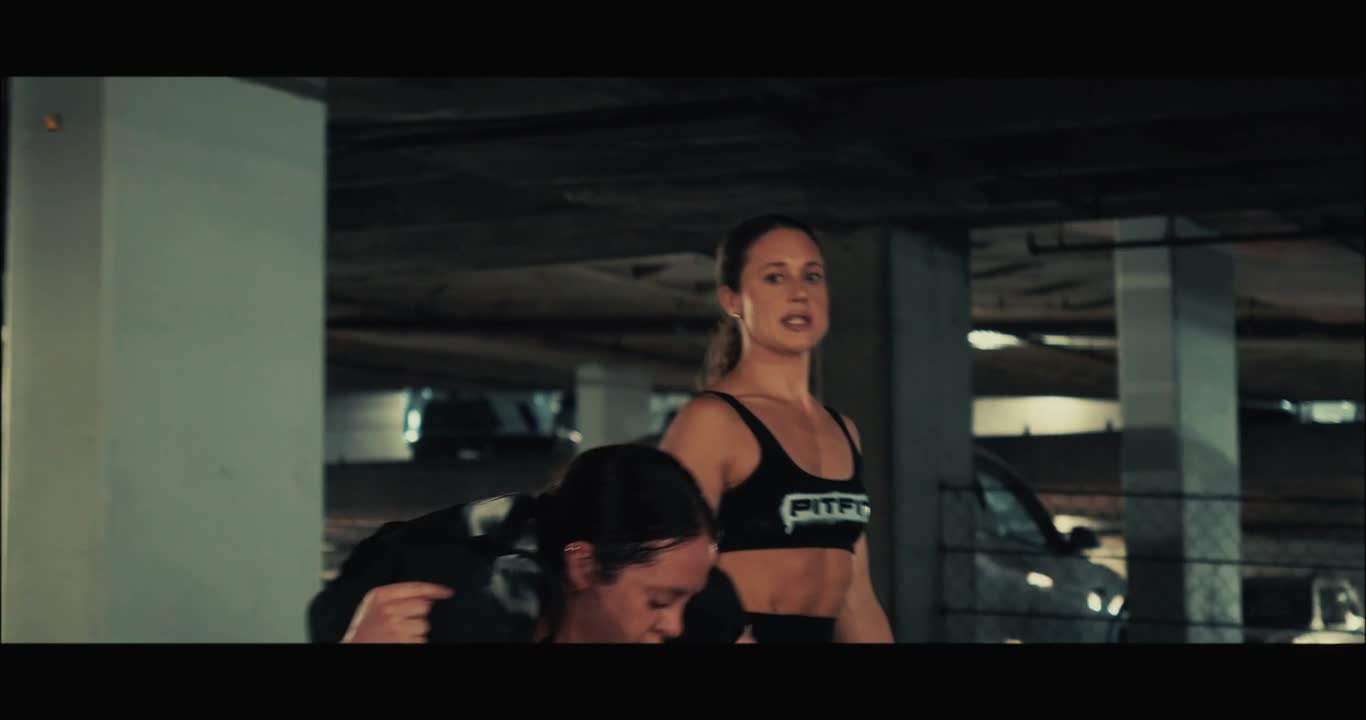
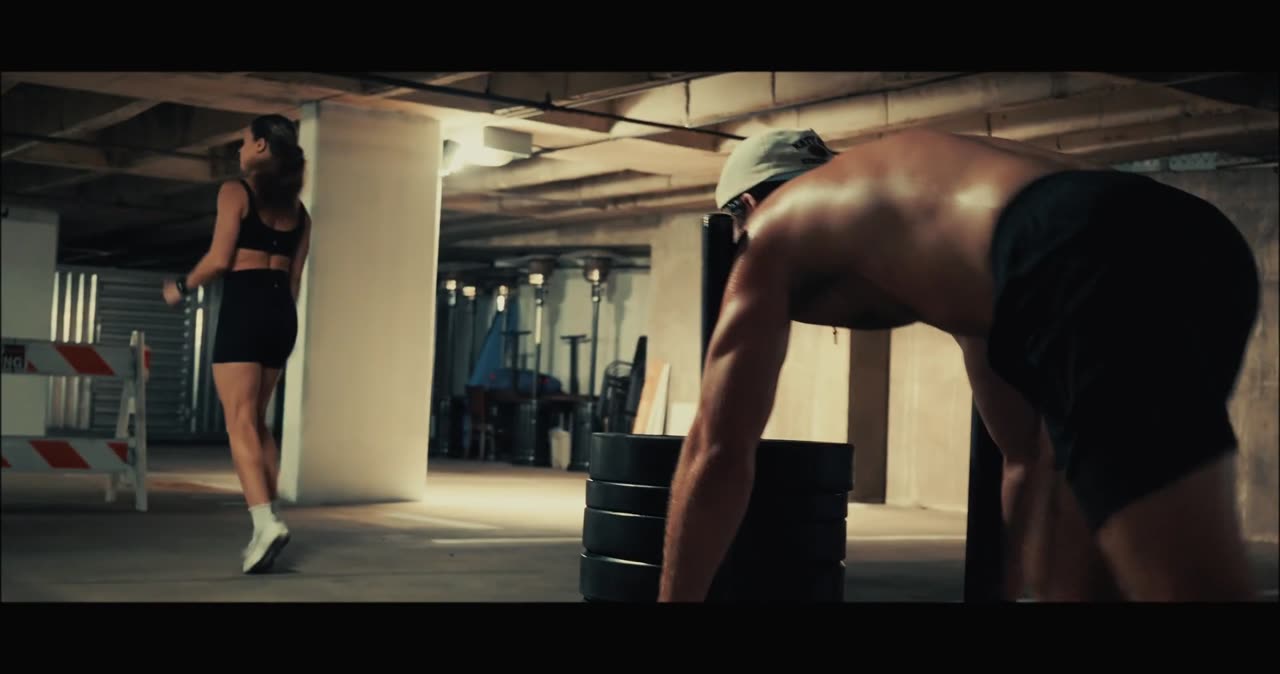
Station four arrives just before the halfway mark: 80 meters of burpee broad jumps, the movement that makes even experienced athletes reread the race format hoping it changed. It hasn’t. Here’s how we coach it inside our HYROX classes in Dallas so the station becomes a metronome instead of a meltdown.
Why do burpee broad jumps wreck so many races?
Because they combine three costs at once: a full-body movement (the burpee), an explosive one (the jump), and zero opportunity to hide — there is no sled to lean on or erg to sit on. Every rep spikes your heart rate, and the station sits in the middle of the race where fatigue debt starts collecting interest. Athletes who arrive with no pacing plan burn through their reserve here and feel it on every run that follows.
What does efficient technique look like?
Step or snap your feet back into a strong plank — chest touches the floor per the standard, but there’s no prize for slamming into it. Stand by stepping one foot in rather than jumping both, which saves your quads hundreds of small explosions across the station. Jump for honest distance, not maximum distance: a controlled jump you can repeat sixty times beats a heroic one you can repeat six. Land soft with knees tracking over toes, and flow straight into the next drop — hesitation between reps is where seconds hide.
How should you pace the 80 meters?
Pacing plan by experience level
| Level | Rhythm | Planned breaks |
|---|---|---|
| First race | Slow, fixed tempo — one breath per phase | Stand tall 3–5 breaths every 20 m |
| Intermediate | Continuous tempo, step-in stand-ups | One short reset at halfway |
| Advanced | Continuous, longer jumps, no pauses | None — pace controlled by breathing |
Key Takeaways
- Rhythm beats speed — pick a tempo you could sustain for 160 meters, then hold it for 80.
- Step-in stand-ups and soft landings save your legs for the runs that follow.
- Plan your breaks by distance, not by feel — feel always votes for stopping.
- Train the station under fatigue in class, never fresh, because race day is never fresh.
How do we train it in the PIT?
Burpee broad jumps show up in our HYROX rotation stitched to running and stations — usually mid-session, when your legs already have an opinion. Coaches progress volume week over week through a training cycle, so 80 meters on race day is a distance you’ve covered many times, not a first date. Pair this station’s prep with wall-ball volume work and you’ve covered the two most feared pieces of the race.
FAQ
80 meters, completed as continuous burpee broad jumps — chest to floor, then a two-footed jump forward, repeated down the lane. It is the fourth station, following the sled pull.
Yes — stepping back and stepping up are allowed and are usually the smarter choice for most racers, costing far less energy per rep than snapping both feet.
The station loads the same muscles running uses — quads, glutes, calves — with an explosive jump on every rep. Pacing the station conservatively and practicing the transition in training are the only real fixes.
PITFIT’s HYROX classes at Travis Walk in Uptown Dallas program the station regularly, coached and scaled to your level. Your first class is $15.
The station everyone fears is also the most trainable: it’s just rhythm under fatigue, and rhythm is exactly what a coached room builds. Book a class and make friends with the floor — or at least reach a respectful truce. Check this week’s schedule for the next HYROX session.
Put it into practice.
Your first PITFIT class is $15 — the fastest way to feel what you just read.