The HIIT Recovery Guide: How to Train Hard Without Burning Out
The workout is the stimulus. Recovery is the adaptation. If you only optimize one, optimize recovery.
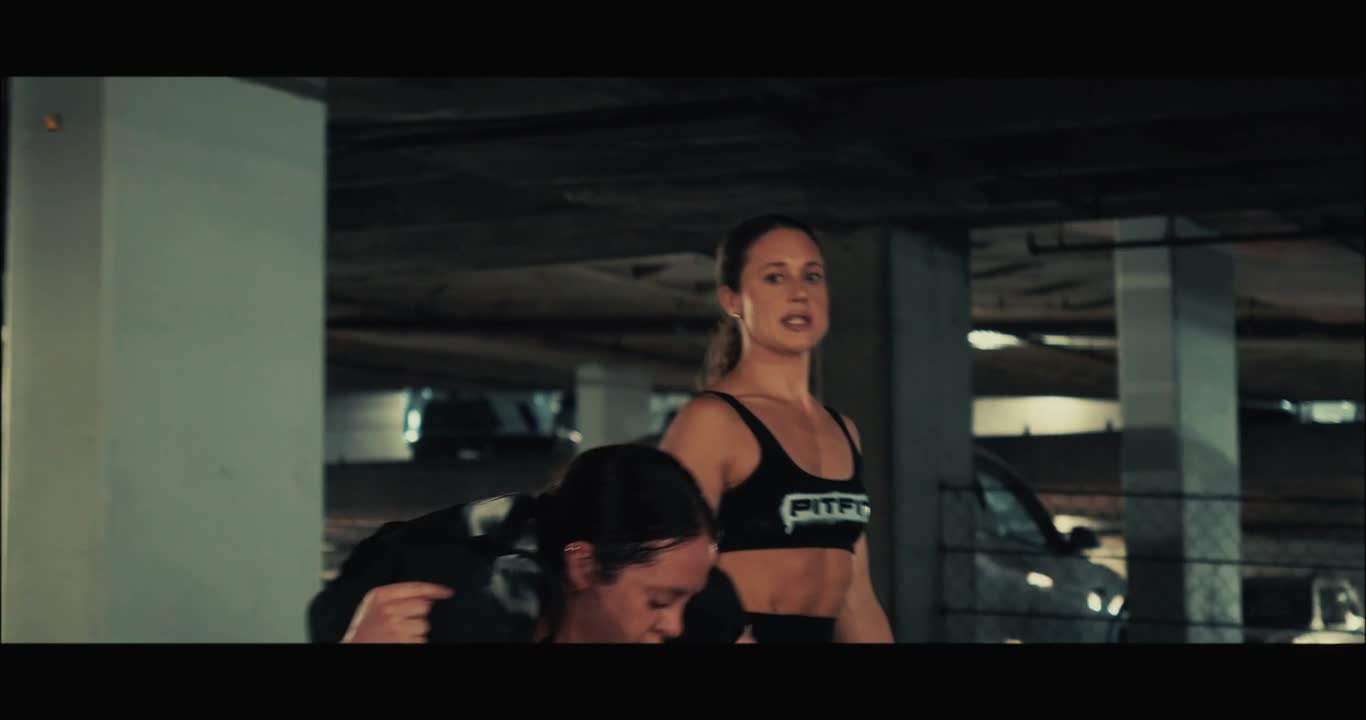
First, the weekly split matters. PITFIT rotates upper body, lower body, full body, and burnout days precisely so that no muscle group gets hammered two days in a row. That's what makes daily attendance sustainable — Monday's upper-body soreness recovers while Tuesday punishes your legs.
Second, protein. The simplest rule that works: roughly 0.7–1g per pound of goal body weight per day, spread across 3–4 meals. HIIT creates the demand; protein supplies the repair.
Third, sleep is a performance enhancer with no side effects. Members who sleep 7+ hours consistently report better splits, better strength numbers, and — no coincidence — better attendance.
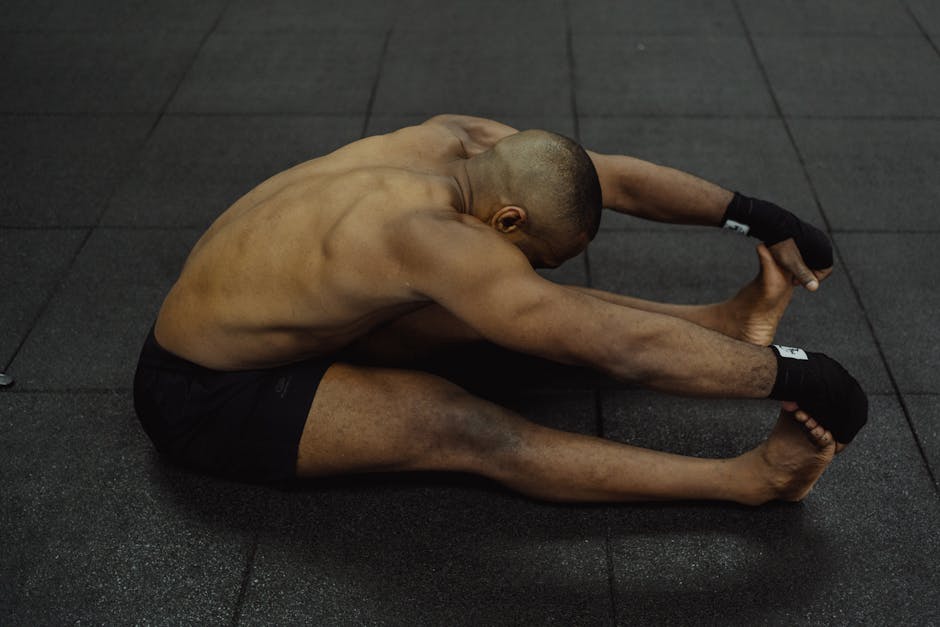
Finally, use the mobility work. Your coach closes class with mobility for a reason. Ten minutes of hips, ankles and thoracic spine keeps your stride long and your squat honest. Skip it for a month and you'll feel the difference — the bad kind.
Put it into practice.
Your first PITFIT class is $15 — the fastest way to feel what you just read.